A regular vacuum cleans your floors. A mattress vacuum cleans where you sleep. They look similar but solve different problems — and using a floor vacuum on your mattress misses the things that actually cause allergy symptoms.
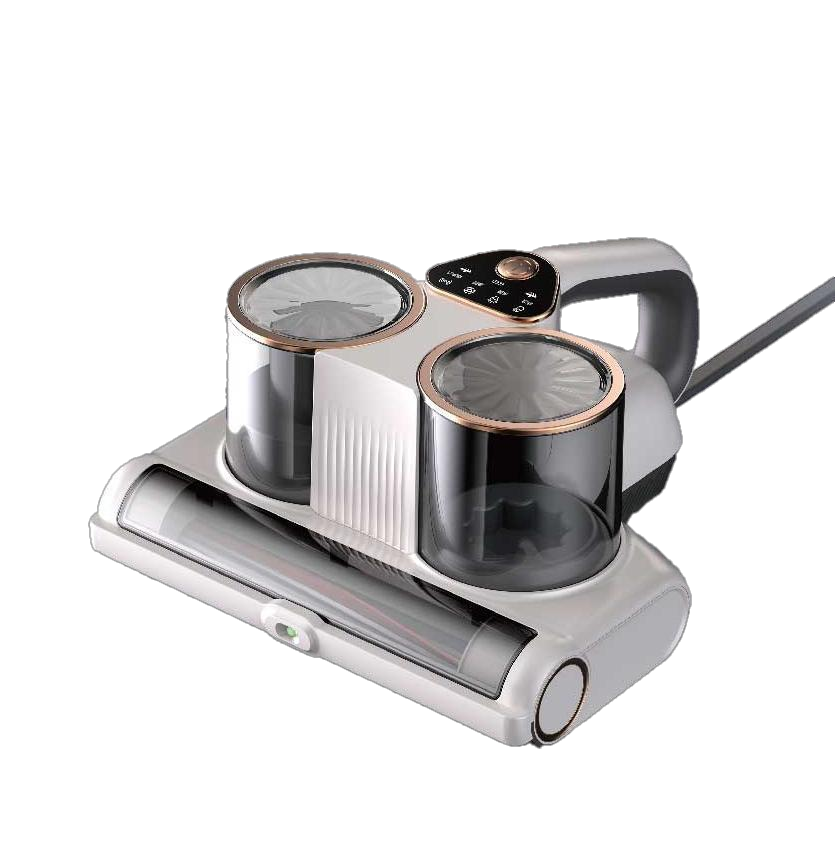
The core difference: mattress vacuums combine UV-C sterilization, heated air, and HEPA-grade suction to target dust mites and their allergens specifically. Regular vacuums are designed for debris pickup on hard surfaces and carpet — they lack the biological kill mechanisms that make mattress cleaning effective.
Why Regular Vacuums Fall Short on Mattresses
A standard vacuum removes visible debris (hair, skin flakes, crumbs) from the mattress surface. It does not kill dust mites living in the top 2-3mm of mattress fabric. It does not denature the proteins in dust mite fecal matter (the actual allergen). And most household vacuums exhaust particles smaller than 10 microns back into the room air — including the exact allergen particles that trigger asthma and rhinitis.
Result: the mattress looks clean, but the allergen load is essentially unchanged. This is why allergy sufferers who vacuum their mattress regularly with a standard vacuum often see no improvement in symptoms.
How Mattress Vacuums Work Differently
UV-C sterilization (253.7nm): Ultraviolet light at this wavelength damages the DNA of dust mites, bacteria, and fungal spores, killing them on contact. The UV lamp must maintain sufficient exposure time — our models are designed so that at normal cleaning speed (10-15 cm/second), each area receives 3-5 seconds of UV exposure, enough for 99%+ surface kill rate.
Hot air (55°C+): Dust mites die at temperatures above 55°C. Mattress vacuums with heated air functions raise the surface temperature of the mattress fabric above this threshold, killing mites that the UV light cannot reach (those in the first 1-2mm below the surface). The hot air also accelerates moisture evaporation, creating a less hospitable environment for mite reproduction.
Vibrating pad: A motorized pad beats the mattress surface at 6,000-8,000 vibrations per minute, dislodging mites, dead skin cells, and fecal matter from deep within the fabric weave. This material is then captured by the suction — without vibration, much of it remains embedded.
HEPA filtration (H13): True HEPA filters capture 99.97% of particles at 0.3 microns. Dust mite fecal pellets (the primary allergen) are 10-40 microns — well within HEPA capture range. Multi-cyclone pre-filtration extends HEPA filter life by separating larger particles before they reach the HEPA stage.
Comparison Table
| Feature | Regular Vacuum | Mattress Vacuum |
|---|---|---|
| Surface debris removal | Excellent | Good |
| Dust mite kill rate | 0% (no UV/heat) | 99%+ surface mites |
| Allergen capture | 50-70% (standard filter) | 99.97% (H13 HEPA) |
| Hot air sterilization | No | 55°C+ air output |
| UV-C sterilization | No | 253.7nm, 8-18W |
| Vibration dislodging | No (brush roll only) | 6,000-8,000 vpm |
| Best for | Floors, carpet, curtains | Mattress, pillow, sofa, stuffed toys |
| Weight | 2-8 kg | 1.5-2.5 kg |
| Relative build cost | Higher (larger motor, body and attachments) | Lower (compact handheld) |
Market Opportunity: Why Mattress Vacuums Are Growing Fast
The mattress vacuum category has grown 25-40% annually in Asian markets (China, Japan, South Korea) since 2022, driven by dust mite allergy awareness and social media demonstration videos. The Western market is earlier in adoption but showing strong growth, particularly in the UK, Germany, and Australia where house dust mite allergy prevalence is high (15-20% of the population).
For OEM brands and Amazon sellers, mattress vacuums are an attractive category: the build is compact (UV lamp, HEPA filter and dual-cup cyclone in a handheld body), and the product is easy to differentiate. The demonstration effect — showing collected dust and dead mites on the filter — is a powerful sales tool on TikTok and Instagram.
Browse our mattress vacuum product line for current models, specifications, and OEM customization options. If you also need a portable stain remover for sofas and car seats, our spot cleaner buying guide covers the 7 key specs to compare. For sourcing guidance on other cleaning appliances, see our cordless vacuum manufacturer guide and spot cleaner manufacturer comparison.